
Plastering and rendering across Monmouthshire.
Walls and ceilings taken back to flat, hard and ready to decorate. Exteriors rendered to shed weather for decades. Floors screeded level and sound. One firm, one price, one number to ring.
Inside
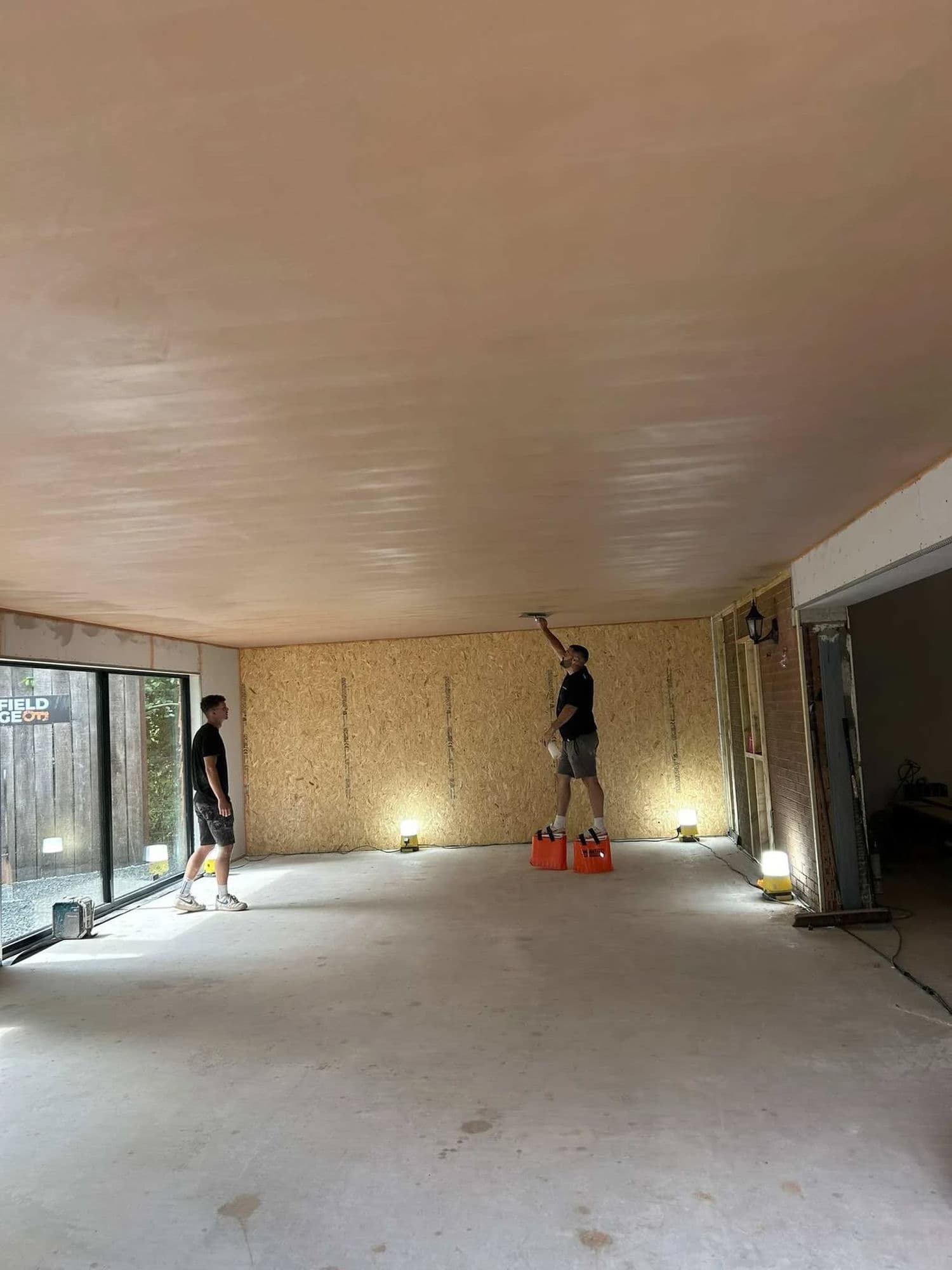
Plastering and skimming
A skim coat is only as good as what is under it. We tap the walls through before quoting, tell you what we find, and price the job that will actually last rather than the one that looks cheapest on paper.
- Skimming over existing plaster
- Full house plastering on new build and extension work
- Plasterboarding and dry lining
- Ceilings, including overboarding
- Artex removal and encapsulation
- Patch repairs and making good
New builds and extensions get boarded and skimmed throughout. Older houses more often need patching, reinforcing and a full skim to bring everything back to one plane. Both are ordinary work for us, and neither should leave your house full of dust for a fortnight.
Outside
Rendering that earns its keep.
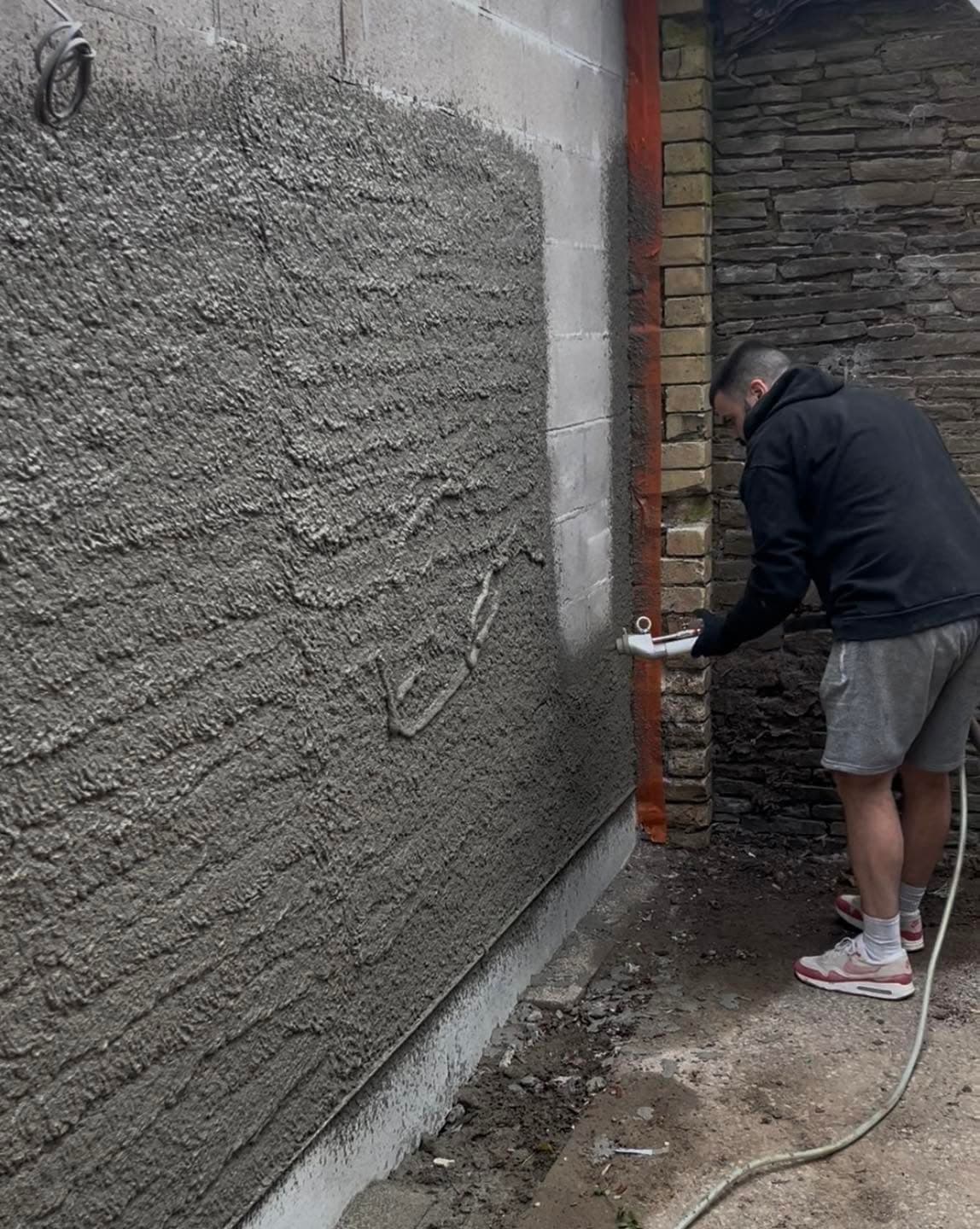
Render is the coat your house wears through every Welsh winter. Which one is right depends on how the wall is built, and getting that wrong is expensive to undo.
- Silicone thin coat
- Flexible, breathable and colour-stable. It copes with slight movement without cracking and stays clean longer than most. The usual choice on modern walls and insulated systems.
- Monocouche
- Through-coloured, so the colour runs the full depth rather than sitting on the surface. Applied in one pass and never needs painting. Hard-wearing and low maintenance.
- Sand and cement
- The traditional finish, hard and durable, painted once cured. Still the right answer on plenty of walls, and the most economical of the three.
- Lime render
- For solid-walled and older property that has to breathe. Softer and slower to apply, but the only sensible option where cement would trap moisture in the wall.
- Silicone thin-coat render
- Monocouche through-coloured render
- Traditional sand and cement
- Lime render on older, solid-wall property
- Pebble dashing
- Insulated render systems
Underfoot
Floor screeding
Screed is the layer nobody sees and everybody notices when it is wrong. Out of level by a few millimetres and your tiles lip, your boards creak, and your underfloor heating never quite performs.
- Traditional sand and cement screed
- Machine-applied flowing screed
- Screeds over underfloor heating
- Levelling and preparation before flooring
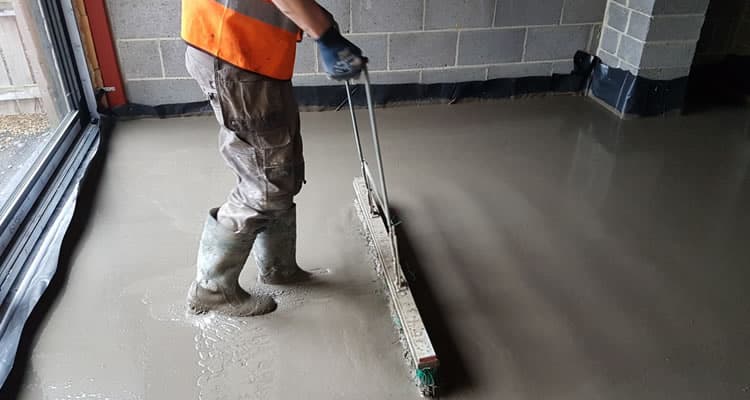
Drying time is the part people underestimate. We will give you a realistic date for laying floor coverings, not an optimistic one, because pulling up failed flooring costs far more than waiting did.
Common questions
Before you ring.
We cover Monmouth, Abergavenny, Chepstow, Usk, Raglan and everywhere between.
Can you skim over my existing walls?
Can you get rid of Artex?
Which render should I choose?
How long does a screed take to dry?
Get a price for your plastering.
Send over the rooms, the rough sizes and when you want it done. We will come and look, then give you a fixed price in writing.